Concerned about your health? Experts from Robert Wood Johnson University Hospital Hamilton are ready to answer readers’ questions. Send your questions to askthedoc@rwjuhh.edu.
Q. My husband and I want to start a family. I have relatives with polycystic ovary syndrome. Is that something we should be concerned about?
A. Polycystic ovary syndrome (PCOS) is a common hormonal disorder among women of reproductive age. The name for the condition comes from the appearance of the ovaries for most, but not all, women with the disorder. Many signs and symptoms begin soon after a woman starts menstruating. Other times it can develop during the reproductive years—for example, in response to substantial weight gain.
Signs and symptoms of PCOS and their severity can vary. For diagnosis, a doctor will look for menstrual cycle abnormalities, elevated levels of male hormones, and polycystic ovaries. Enlarged ovaries containing many small cysts can be detected by ultrasound, but do not confirm PCOS. To be diagnosed with PCOS, you must also have abnormal menstrual cycles and signs of elevated male hormones.
An irregular menstrual cycle is the most common characteristics of this condition with examples such as cycles longer than 35 days or failure to menstruate for four months or longer. Elevated levels of male hormones may result in physical signs, such as excess facial and body hair, adult acne, severe adolescent acne, and male-pattern baldness—although these physical signs can very with ethnicity.
PCOS has been linked to excess insulin, the hormone produced in the pancreas that allows cells to use sugar; low-grade inflammation, the body’s response to fight infection; and heredity. In addition, if your mother had PCOS, you may have been exposed to excessive male hormones while she was pregnant. Researchers continue to study the link between those factors.
Women who experience irregular menstrual cycles should talk with their doctor, because early diagnosis of PCOS may help reduce the risk of long-term complications, such as type 2 diabetes, high blood pressure and heart disease. In addition, your physician can give you more information about family planning and PCOS.
To prepare for your appointment, bring a list of any signs and symptoms that may or may not be related to PCOS. If possible bring a record of your menstrual cycle.
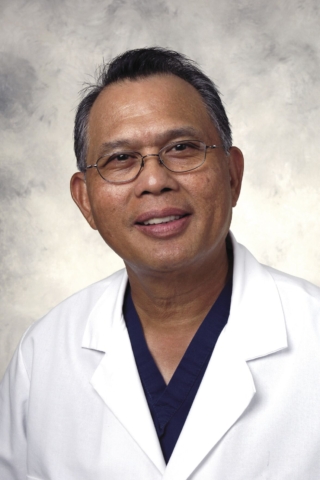
—Dr. Eduardo Flores, RWJ OB/GYN, Robert Wood Johnson University Hospital Hamilton
This content is intended to encourage a healthy lifestyle. For medical advice and treatment, see a physician.