Experts from Robert Wood Johnson University Hospital are ready to answer readers’ questions. Send your questions to askthedoc@rwjbh.org.
As we approach the New Year, most people start to think about how to improve their health and appearance. One nagging health-related issue that people often put off is varicose veins.
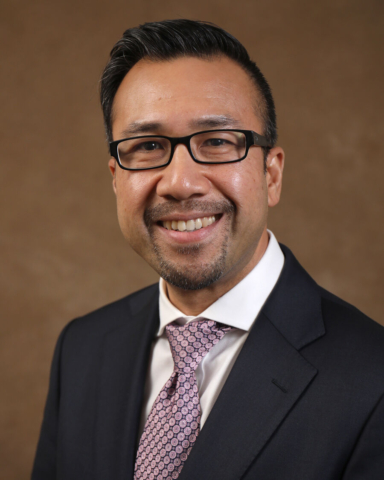
Dr. Honesto M. (Sto) Poblete from RWJ Vein and Vascular Surgery in Hamilton offers insight to this common condition.
What are varicose veins?
Varicose veins are gnarled, enlarged veins. Any vein may become varicose, but the veins most commonly affected are those in your legs and feet. That’s because standing and walking upright increases the pressure in the veins of your lower body. Varicose veins are not just a cosmetic issue but can indicate more serious circulation problems such as chronic venous insufficiency.
How many people are affected by chronic venous insufficiency (CVI)?
More than 30 million people are affected by varicose veins or CVI in the US with only 1.9 million seeking treatment annually, leaving the vast majority undiagnosed and untreated.The main role of your veins is to return blood to the heart, but if the valves inside the veins fail, they will give way to the forces of gravity and not return blood to the heart.
What are some symptoms and risk factors that people should look for?
Skin changes such as thickening, damage or dark patches.Non-healing sores or ulcers.Leg pain, aching, or cramping.Itching, burning or tingling sensations.
Are there treatment options?
There are minimally invasive technologies available that can help repair varicose veins, including sclerotherapy, laser surgeries, and ambulatory phlebectomy.
What can people do before surgery is an option?
Support the venous circulation of the legs in order to slow the development of new veins and to minimize symptoms, including:
Elevate your legs when possible by keeping your feet positioned higher than your heart level to reduce pooling and pressure on your legs.
Try to avoid excess heat on your legs, such as hot tubs and hot baths. Heat tends to increase vein distention and lead to more pooling of blood.
Maintain a healthy body weight to help reduce excess pressure on your legs.
Dr. Poblete is a Robert Wood Johnson Physician Enterprise provider and board certified in both general and vascular surgery, with advanced training in minimally invasive venous and arterial surgery about the importance of maintaining optimal vein health. He is affiliated with Robert Wood Johnson University Hospital Hamilton and accepts most major insurances. For more information or to request a consultation with Dr. Poblete, please call (609) 570-2071.
This content is intended to encourage a healthy lifestyle. For medical advice and treatment, see a physician. Concerned about your health? Send your questions to askthedoc@rwjbh.org.